
Flour, water, memory...
An ode to bread baking

If love had a smell, I think it would be the fragrance of warm bread.
As a child, I loved to watch my grandmother eat. She did so with such attentiveness, such quiet passion, that simply observing her would make me hungry. There was always a small side plate next to her — at every meal — holding a slice of bread and a few pickled chillies, a gentle nod to her Lebanese roots.


When I first visited Lebanon, it all fell into place.
One morning in Hasroun, we walked to the village bakery. There, I heard the stories of those ancient ovens. In years gone by, homes did not have ovens of their own. Each household would prepare its dough for the day, then carry it down to the bakery in the village square. The dough would rest and rise in the ambient warmth before being baked by the village baker.
The women would linger. They would read the newspaper, exchange news of the world, offer advice, comfort, and companionship. And when their bread was ready, they would gather it up and walk home again.
They say it takes a village.
What had changed? There was now a machine that rolled the dough to a perfectly even thickness — far quicker than patient hands ever could. But when I closed my eyes, I could still hear their voices. I could still inhale the fragrance of flour and fire.
And in that scent, I recognized something deeper than hunger. I recognized belonging.
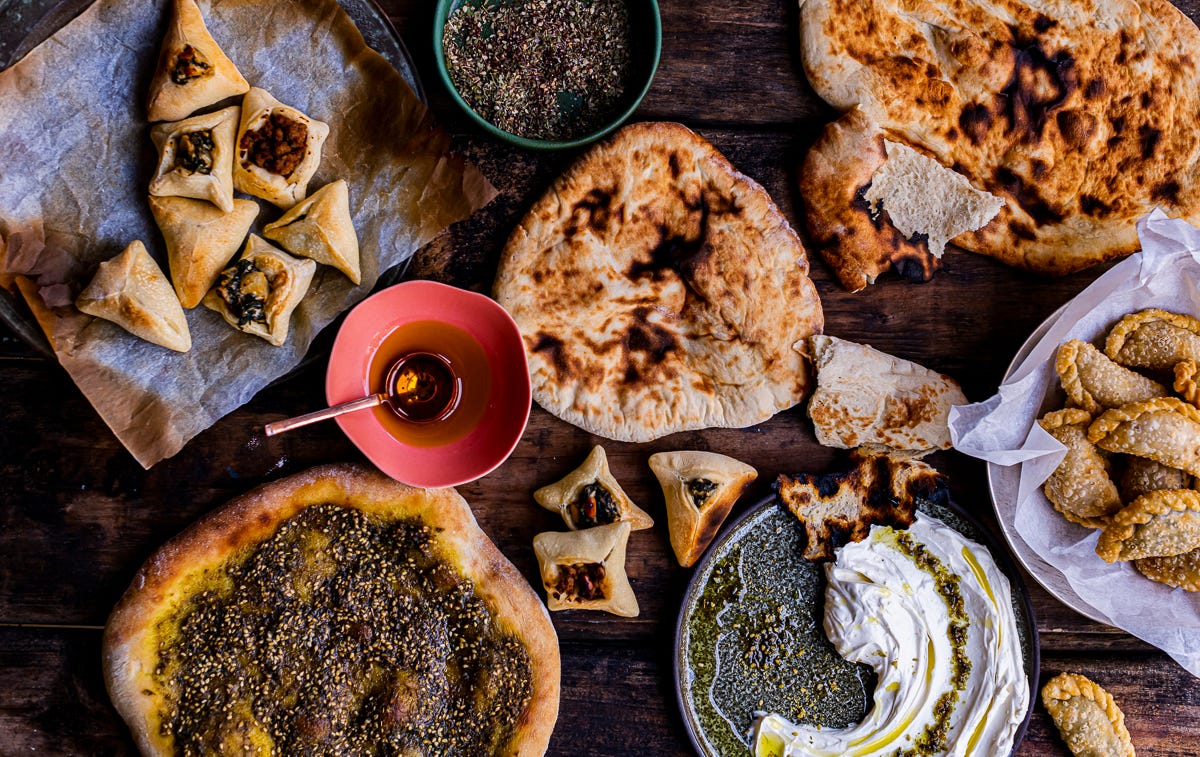
Growing up, we came home for lunch every day after school. I would push open the back door and step into the kitchen, and before I even saw her, my mother was there — not in body, but in scent. The warm, yeasty perfume of freshly baked bread wrapped itself around me like an embrace.
A slice would be waiting — often the crust, still warm — and it became part of the rhythm of our afternoons.
Our school lunchboxes held beautiful sandwiches each day. Sometimes thin slices of cold, leftover leg of lamb layered with crisp lettuce, a swipe of mayonnaise and a spoonful of chutney. Other days it was cheese and fresh tomato, simple and perfect.
Bread really was my mother’s hug.
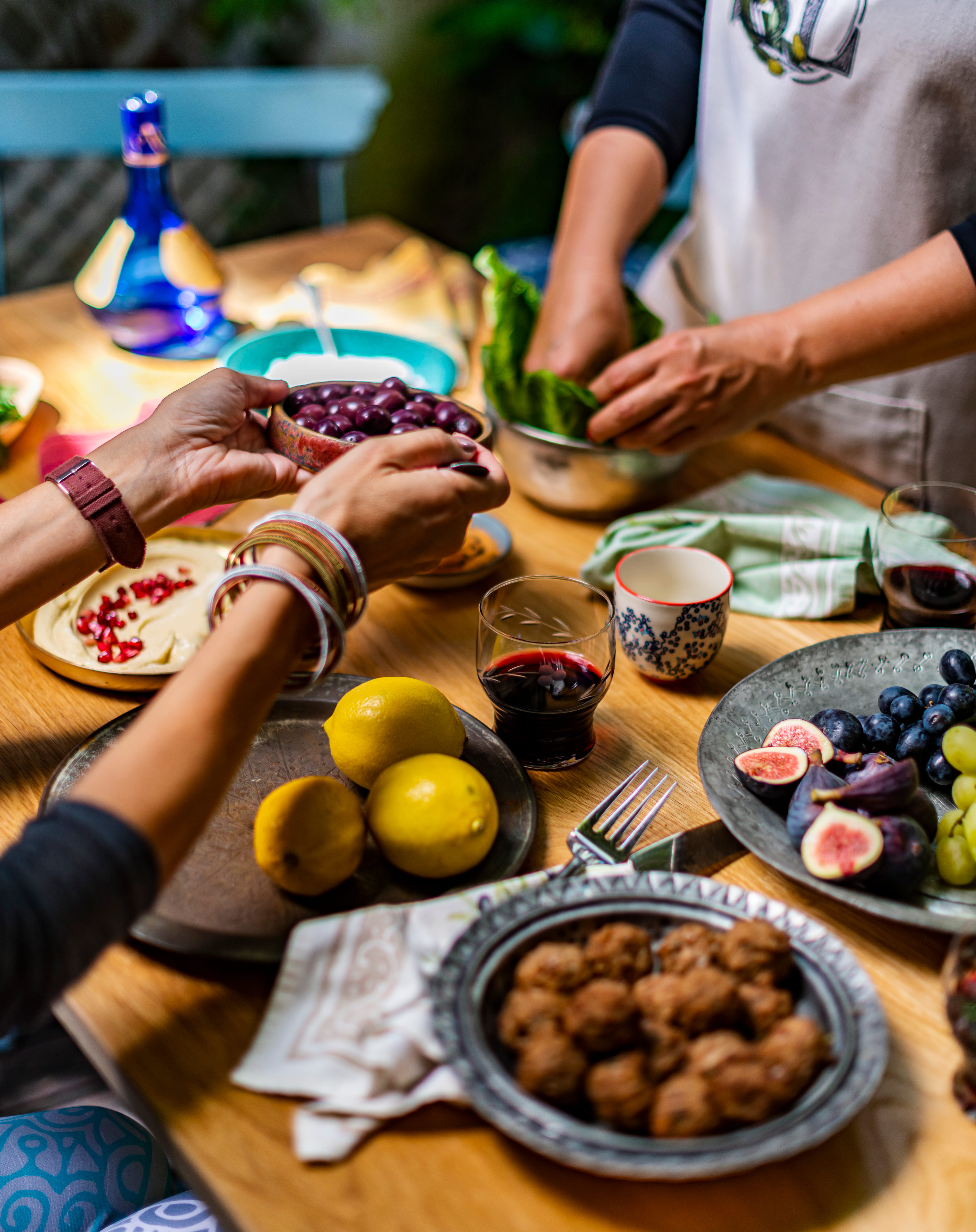
Eating together — breaking bread together — is one of the oldest and most quietly unifying human rituals. Bread has shaped civilization itself. From the Fertile Crescent, that crescent-shaped cradle of the Middle East where wheat was first domesticated, the practice of cultivating grain and baking bread spread outward to Europe, North Africa and East Asia, becoming foundational to early societies.
Today, bread remains one of the most common staples in our kitchens. And yet, demand has shifted much of its production to industrial bakeries, where preservatives and additives extend shelf life — and perhaps, I sometimes think, diminish something of our own.
So, here is a recipe to return to the slower rhythm. To bake your own loaf using stoneground, non-GMO wheat flour. No additives. No preservatives. Just flour, water, salt, yeast — and time.
Because sometimes love still smells like bread.
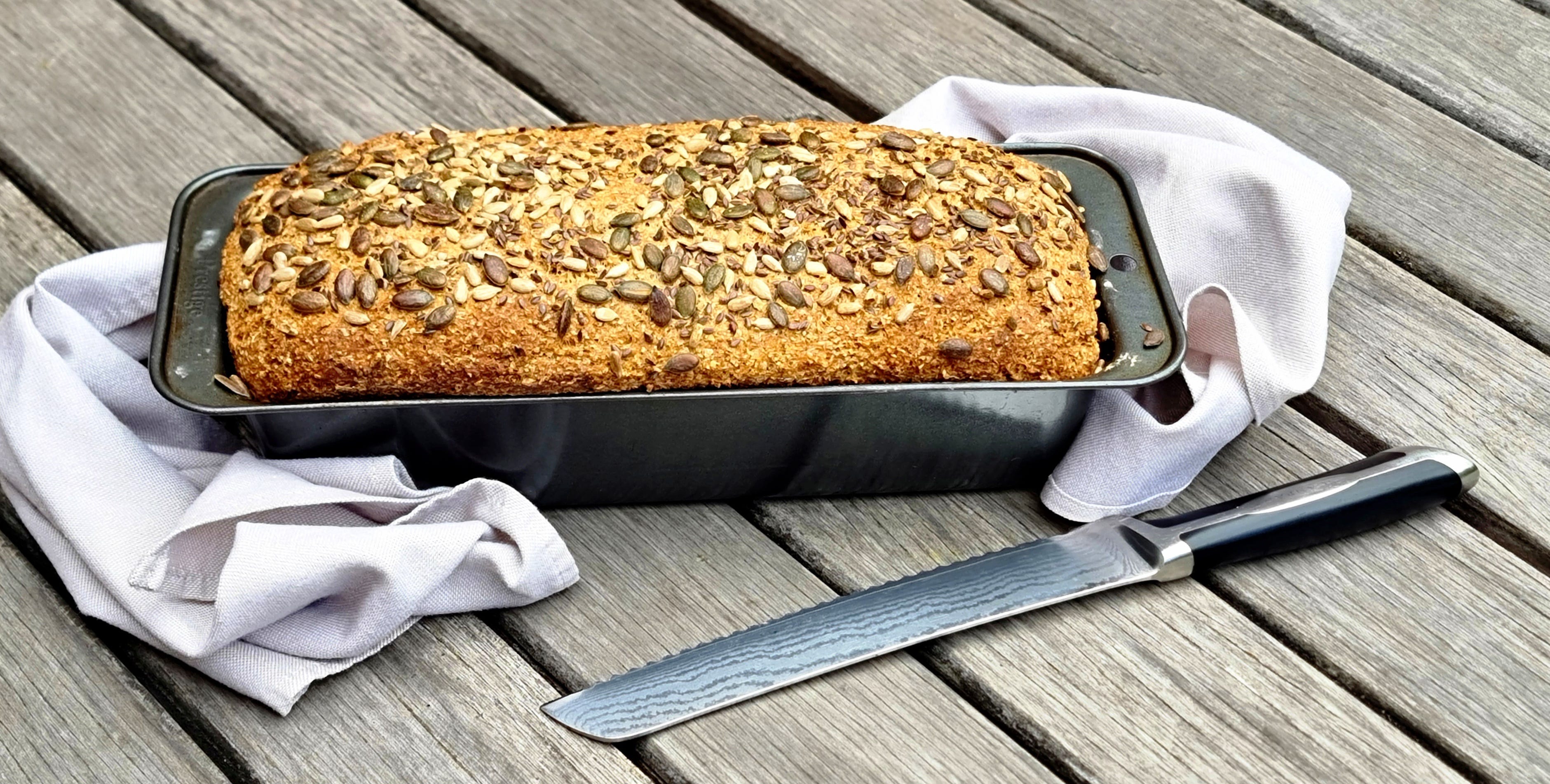
My mother-in-law’s brown seeded loaf
I never had the chance to meet Dorothy — the woman who gave birth to my husband. She died just a month after I began working at his dental practice, before I ever had the opportunity to lay eyes on her.
She was beautiful, though. Classically so. A trace of German ancestry woven with Irish softness. I often find myself wishing I had known her — her voice, her laugh... All I have is a black-and-white photograph of her and my father-in-law on their wedding day. It sits on my desk. She is radiant in it.
They tell me she used to bake this loaf.
It is wonderfully simple to make — uncomplicated, generous, unfussy. The kind of bread that belongs on a table where people gather.
In baking it, I like to imagine her hands mixing the dough, the quiet rhythm of her life, the warmth she must have carried into her home.
I hope you enjoy it.
Makes 1 large loaf
Ingredients
6 cups Nutty Wheat flour
2 tsp instant dry yeast
1 tbsp salt
1 tbsp dark brown sugar
2¾ cups warm water
2 tbsp sunflower oil
a mixture of seeds
Method
Mix all the dry ingredients together, then add the water and oil and mix well. Brush the bread tin lightly with butter. Place the dough in the tin, and sprinkle seeds on top - I use a mixture of linseed, poppy seeds, sesame seeds and sunflower seeds. Cover with a clean dish towel and allow to rise in a warm place for 1 hour, away from a draft.
Preheat the oven to 200ºC. Place the bread in the oven and bake for 1 hour. Tip the hot loaf out onto a steel rack and do not cover - this will result in a yummy, crunchy loaf.
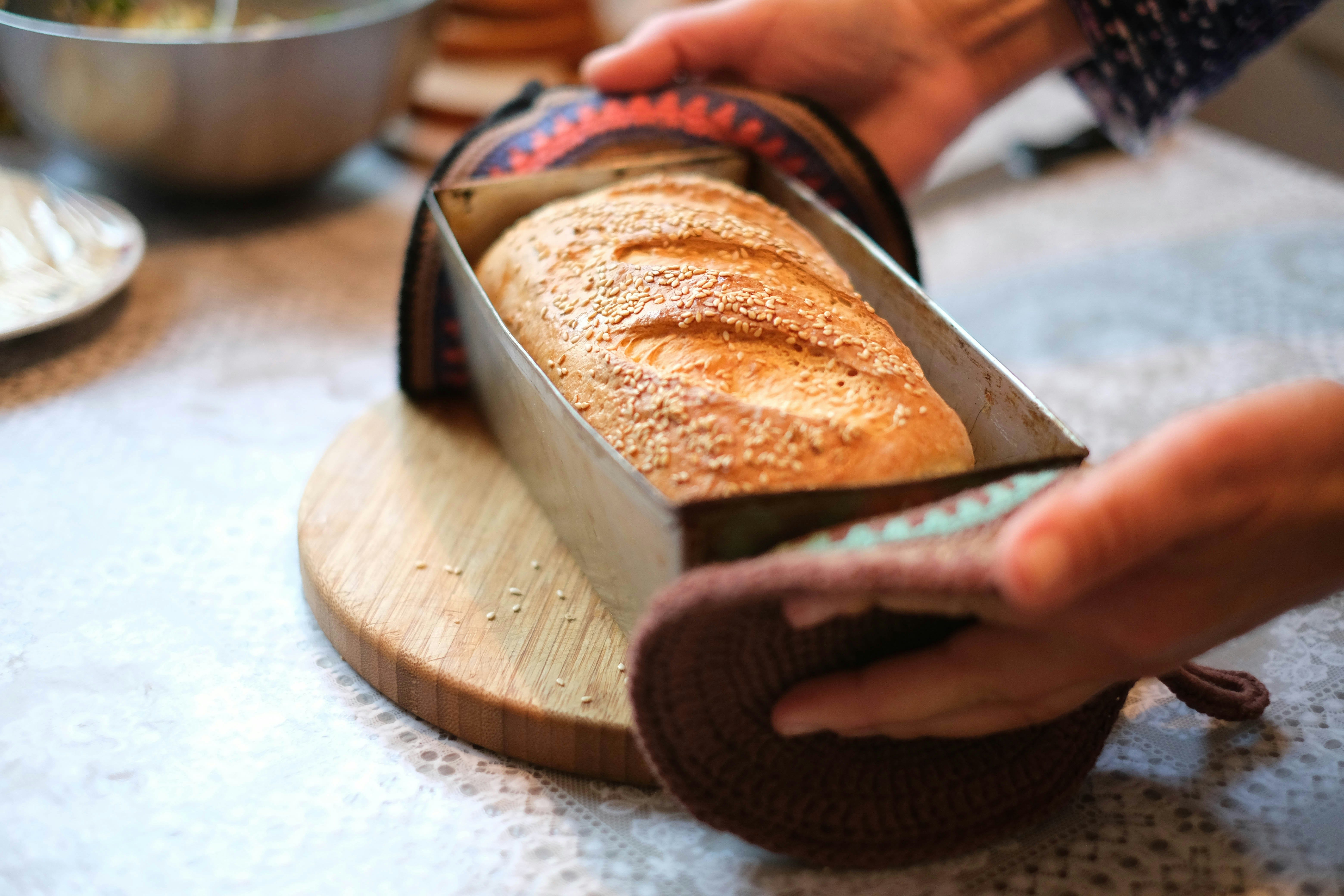
To this day nothing says ‘home’ to me quite like the scent of freshly baked bread. So, if love had a smell, this would be it.
Until the next time,
Sophia you write so beautifully. I was lucky enough to experience the communal bakery in Marrakesh where the locals still bring their dough to be baked and watched the baker kneading dough with a rhythm formed over many hours.
Couldn't agree more - we've been baking our own bread for many years now ... nothing beats home made and who doesn't love the comforting fragrance of warm bread?
Thank you for sharing Dorothy's recipe, have just looked up Nutty Wheat flour (4 parts wholewheat flour : 1 part wheat bran by weight) so we'll be trying the recipe very soon. :-)