
Different shapes, shared roots
Two dumplings, one story

Food has always travelled with people. Some cuisines tell stories not only of place, but of journey. Armenian food in Lebanon is one of these stories - a meeting of memory and landscape, where flavours of an ancient culture settled among the cedars and markets of Beirut. Over time, the kitchens of Armenian families and their Lebanese neighbours began to echo one another, creating a beautiful overlap of dishes, ingredients, and traditions.
A bit of history…
Sometimes it helps to pause and imagine the moment when a journey begins.
The year is 1915. Violence spreads across Armenia and families begin to realize that staying may no longer be possible. They hold on for as long as they can - this is home, after all. But eventually survival must come first.
A businessman with a beautiful house. A doctor. A teacher. A mother and father with young children. They gather what little they can carry and leave. Have you ever wondered what you would pack if your life had to fit into a single bag? I often have.
There is hunger, fear, and uncertainty. There is grief for the life left behind. And yet they keep going.
Between 1918 and 1920 many Armenians found refuge in Lebanon. The connection between the two regions reaches far back in history - as early as the reign of Tigranes the Great, who ruled Armenia between 95 BC and 55 BC and briefly controlled Phoenicia before the Romans arrived in 64 BC. Over time, Armenians built new lives in Lebanon. Today they make up roughly four percent of the population, maintaining their language, culture, and faith while becoming an integral part of the country’s social and culinary landscape.
And perhaps this is how history most quietly survives - not only in books and monuments, but in the small dumplings folded in family kitchens.
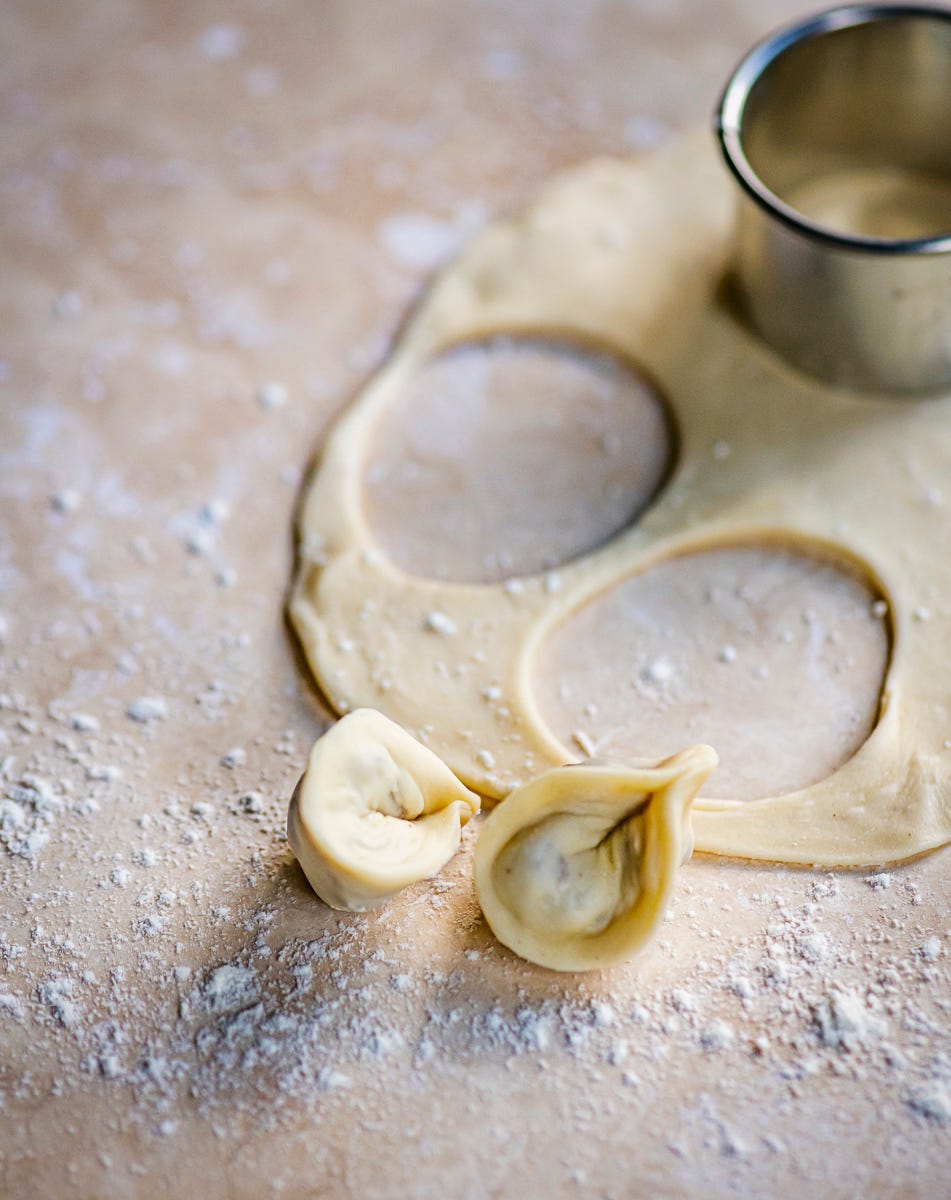
They say the way to a man’s heart is through his stomach…
In our home, though, the way to my husband’s heart might well be found at the bottom of a large pot of shishbarak.
It was my Lebanese friend, Brendon, who first introduced him to the dish one Saturday evening in 2018. I had tasted it many times before, when my grandmother’s petite hands had lovingly prepared it for us. Because you see, shishbarak is not something one simply throws together - it is a labour-intensive act of love, each tiny dumpling patiently folded before it finds its way into the pot. And that evening, from Brendon’s kitchen, the love in that pot was unmistakable too. It was also around that time that I first began connecting more deeply with the Lebanese community here in Cape Town.
A year later, I found myself sitting in Apo, a small restaurant in Bourj Hammoud - the Armenian neighbourhood of Beirut - when my friend ordered manteh. It was my first encounter with the dish. Today, it is difficult to say which of the two I love more. But perhaps that is the wrong question altogether. They may share a certain spirit, yet they are wonderfully, unmistakably different.
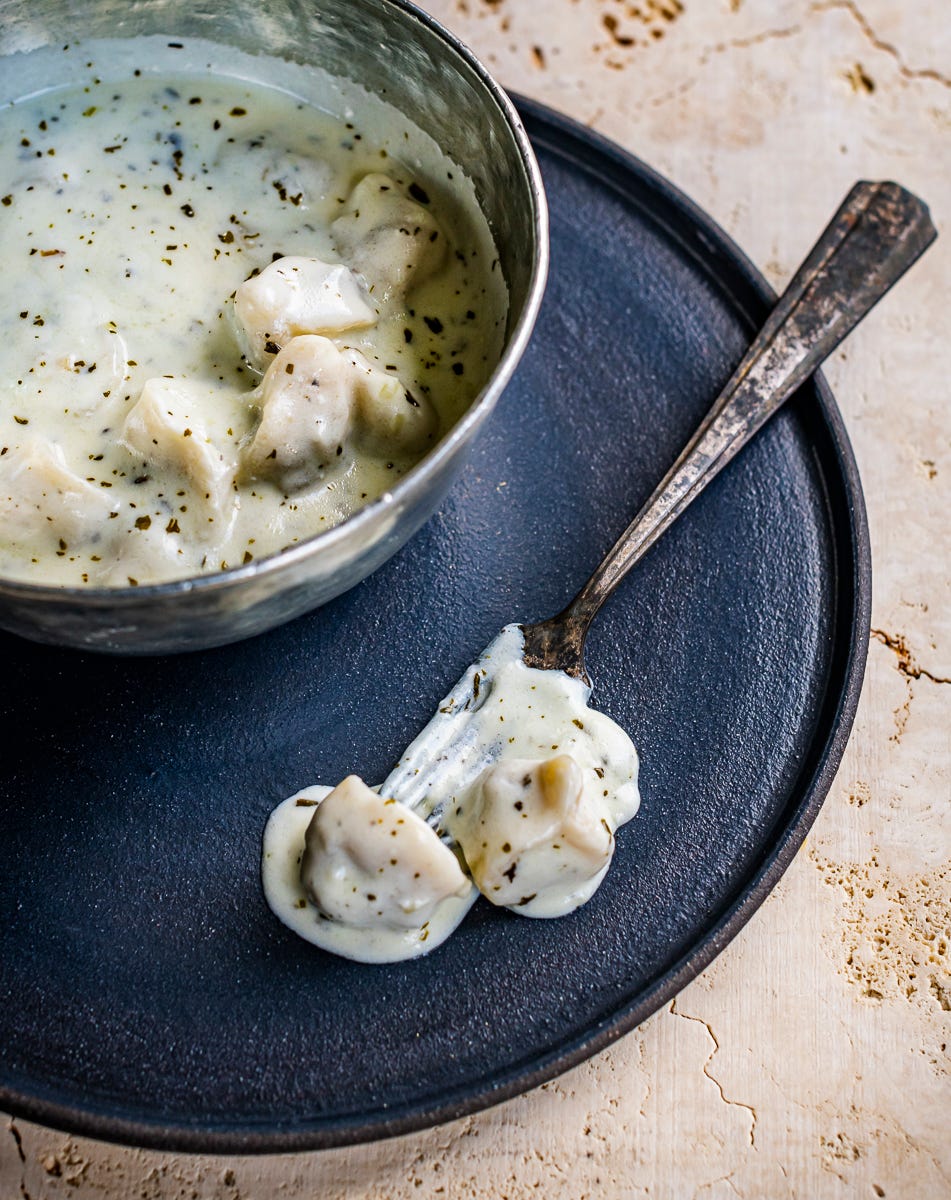
Here is my version of my family’s shishbarak:
Serves 8 to 10
Ingredients
250 g lamb mince
1 large white onion, peeled and chopped
salt and white pepper to season
2 tbsp olive oil
Dough
4 cups all-purpose flour
1½ cups water
1½ teaspoons salt
Laban
2 tbsp corn flour
2½ litres laban (yoghurt)
½ cup water
8 cloves of garlic, peeled and crushed
1 tablespoon dry mint
Method
Preheat oven to 100ºC.
Fry the mince and onions in a little oil. Season with salt and pepper.
To make the dough, mix all the ingredients together and knead very well. Roll out the dough on a floured surface to a thickness of about 3 millimetres. Using a small dessert wine glass, press out circles in the dough. Repeat until you have used up all the dough.
Place a spoonful of the cooked meat in the middle of each circle, fold it over and press town to form a halfmoon, securing the edges. Now fold the two ends towards one another and pinch together to form a cap. Place on a baking tray and put in oven at 100ºC for a while till they have dried out a bit.
Place the corn flour in a pot and strain in the laban. Add the water and mix well. Add the garlic and bring to the boil slowly, stirring all the time.
Add the dried mint to the pot and then add the pastry caps. Boil for ± 10 minutes or until they are tender.
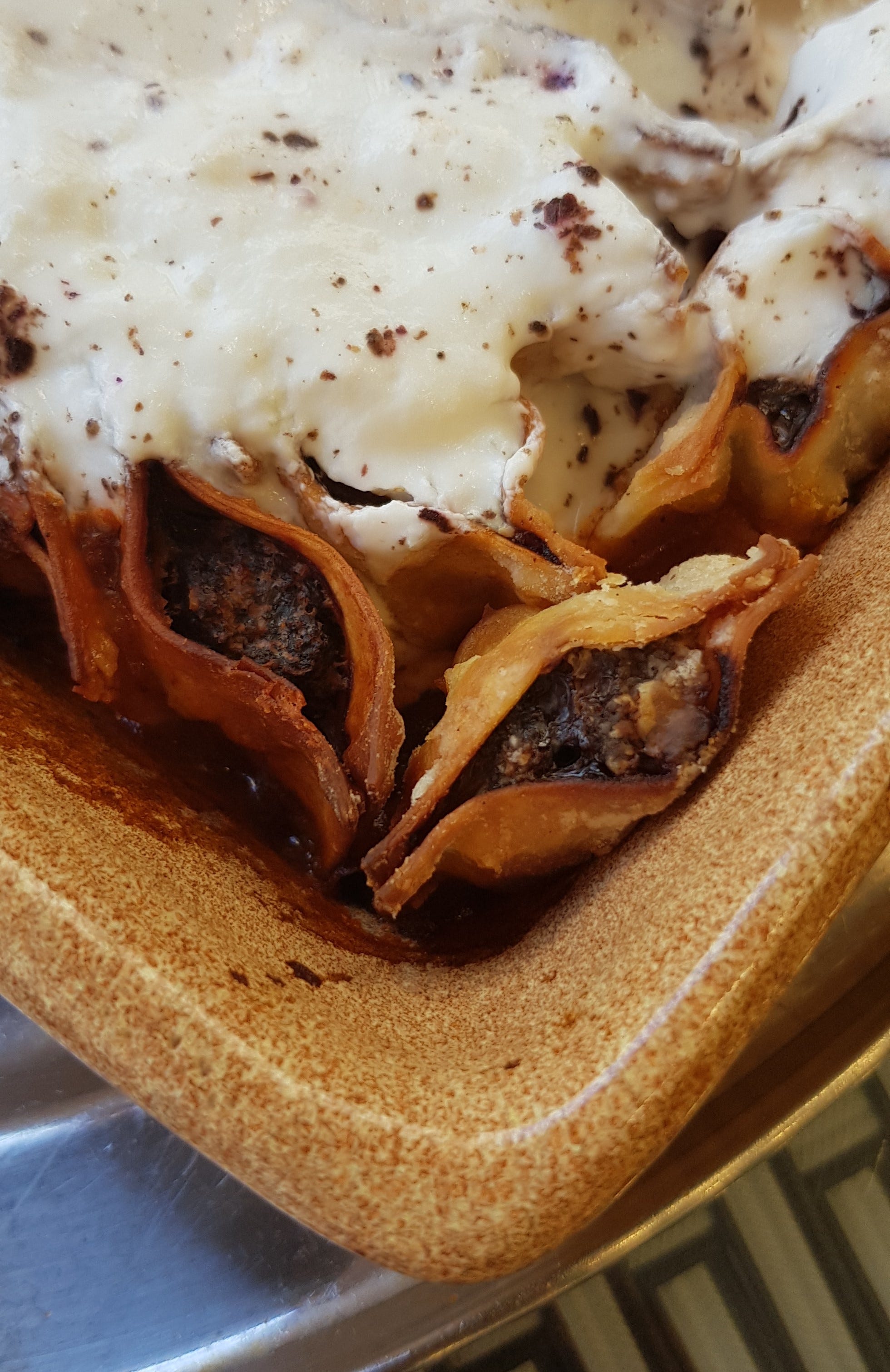
Manteh
The Armenian version of this dish differs in that the pasta parcels are first baked until golden brown, then a little broth is poured into the dish, to cover about three-quarters of the manteh, and cooked again to absorb the broth. When slightly plump, still al dente and crunchy, they are removed from the oven, topped with a yoghurt mixture and served. Both versions are delicious, yet different.
And so, on the table, the story continues. Lebanese shishbarak and Armenian manteh may arrive by different routes, yet they speak a similar language - small parcels of dough, carefully filled, lovingly shaped, and meant to be shared. Different kitchens, different histories, but the same quiet understanding that some of the most meaningful stories are told through food.
In the end, the table has always been where cultures learn to speak to one another, and sometimes the distance between two cultures is no more than the shape of a dumpling.
Until the next time,
Omg that looks Aaaaaamazing 😋